



Important: Do not use dots (.) in your username. Allowed characters: letters (a–z, A–Z), numbers (0–9), hyphen (-) and underscore (_)
 2 days
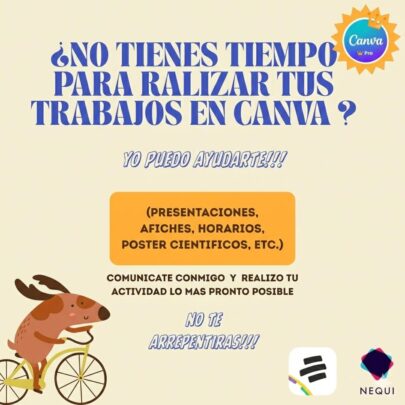
In a world saturated with information, the ability to transform complex concepts into clear, aesthetic, and effective pieces of communication is not just a technical skill, but a fundamental competitive advantage. As an integral content creator, my work lies at the intersection of analytical thinking and creative expression. The primary objective of this role is to act as a bridge between the complexity of raw data and the ease of understanding for the end user, ensuring that every message—regardless of format—is received with impact, precision, and professionalism.
The creation of presentations, reports, and visual materials begins with a deep process of curation. Before placing the first line or designing the first slide, it is necessary to understand the essence of the message. In developing corporate or academic presentations, the focus transcends the mere creation of aesthetic slides; it is about building a narrative. Each slide is a link in a logical chain designed to hold the audience's attention, guide their reasoning, and ultimately achieve a specific goal, whether to inform, persuade, or train. Mastering visual hierarchy—the strategic balance between white space, typography, color palettes, and imagery—is what allows a presentation to evolve from an informative file into a memorable communication experience.
In the realm of technical reports, written works, and research papers, value lies in rigor and structure. In this field, clarity is the supreme value. A content creator does not just write; they organize thought so that it is accessible without losing its scientific or technical depth. This implies the ability to manage large volumes of data, apply synthesis methodologies, and structure information so that results, conclusions, and recommendations are immediately identifiable. Impeccable spelling, the appropriate tone of voice, and logical coherence are the pillars that grant credibility to any document, allowing the reader to trust the accuracy and relevance of what is before them.
On the other hand, the creation of infographics represents the pinnacle of synthetic communication. The infographic is the visual language of the modern era; it is the ability to convert dense statistics, complex processes, or historical timelines into a single, understandable glance. Here, the creator becomes a data translator, transforming cold numbers into dynamic graphics and conceptual maps that facilitate rapid learning. It is not about decorating with graphic elements, but about using design as a pedagogical tool: every icon, line, and color has a specific function to reduce cognitive load and ensure the message reaches the core of the audience.
Editorial management in magazines and long-form publication formats adds another layer of complexity: rhythm. In a magazine or catalog, editorial design must ensure that the reading experience is fluid. Managing grids, columns, bleed settings, and the harmonious integration between text and image is what differentiates a professional publication from an ordinary document. It is a design exercise that demands discipline, aesthetic sense, and a deep understanding of how the human eye traverses a printed or digital page. Content curation is vital: knowing which images best accompany the text and how the layout of elements can keep the reader captivated from the first page to the last.
This set of multidisciplinary skills allows for the delivery of tailored communication solutions, adapted to the specific needs of students, researchers, entrepreneurs, and professionals across various fields. The ability to alternate between the formality of a scientific report and the creativity of a social media design is what enables a comprehensive service. By delegating aesthetic structure and writing to a professional, clients can focus on what they do best: generating ideas, conducting research, or leading their projects.
In conclusion, the work of a content creator is to facilitate the lives of others through the order and beauty of information. Every project is an opportunity to improve the way knowledge is transmitted and consumed. It is the conviction that, no matter how complex the subject, there is always a clearer, more attractive, and more efficient way to explain it. This is the central commitment of my work: to turn the chaos of information into the order of powerful, strategic, and, above all, human communication.

Make Money Sharing Zeerk With Your Friends